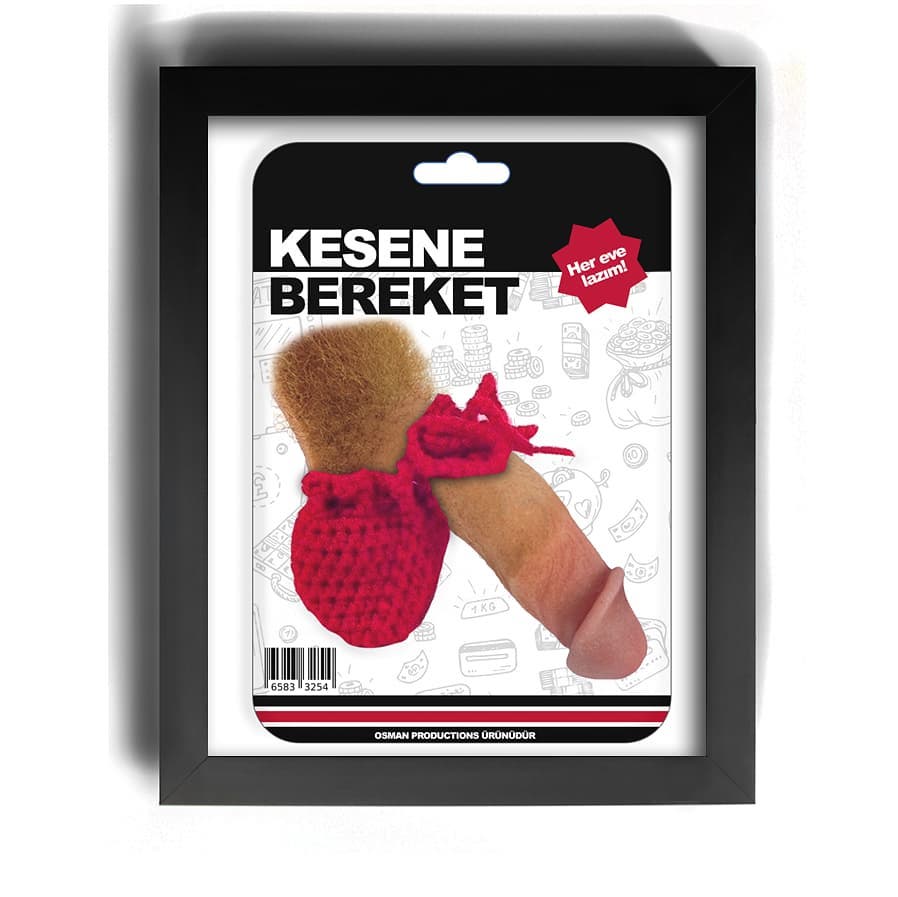
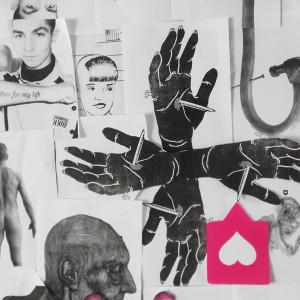
Kesene bereket – C-print -2017 Ballwarmers for thriving future
Reply


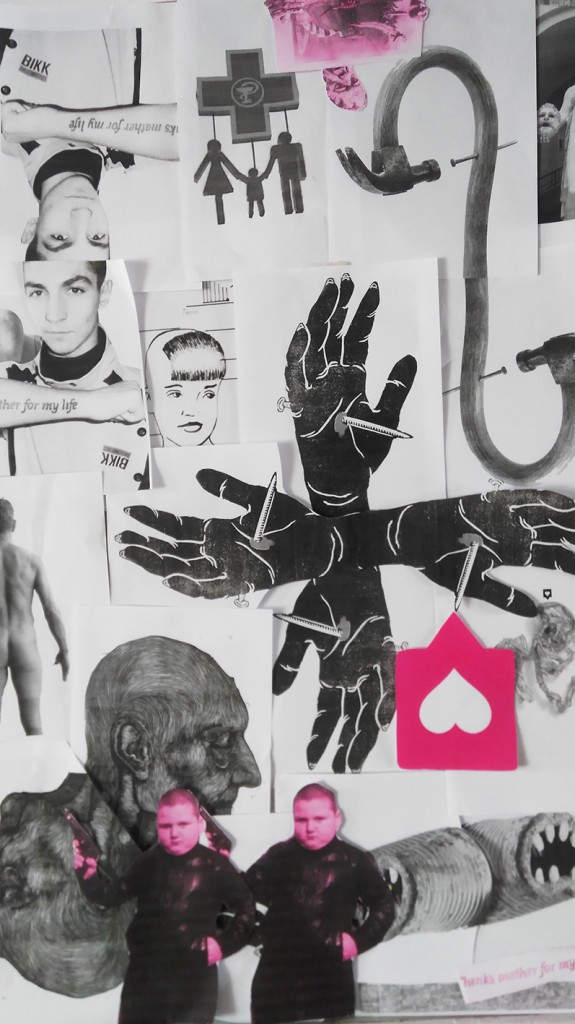
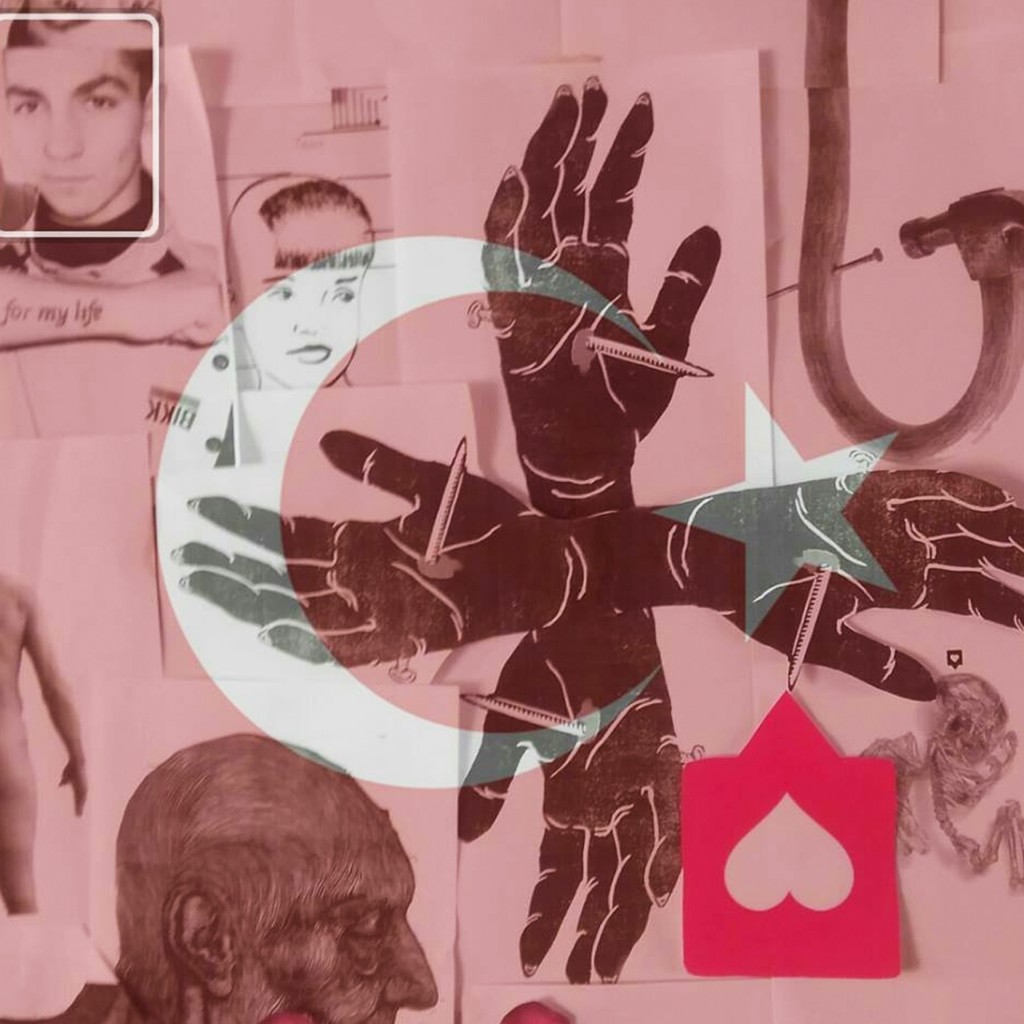
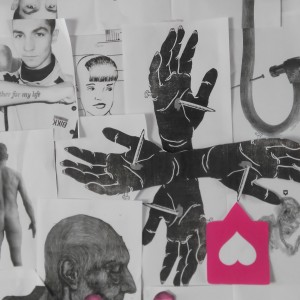
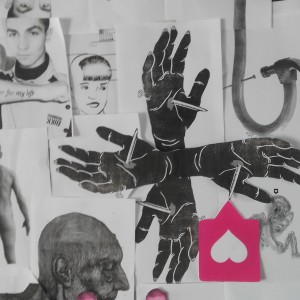
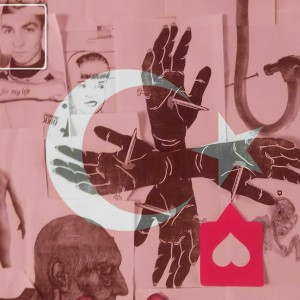
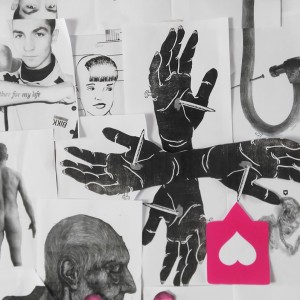
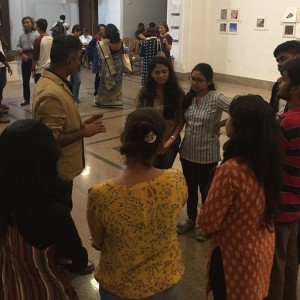
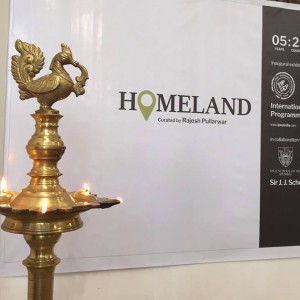
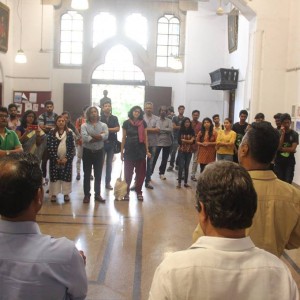
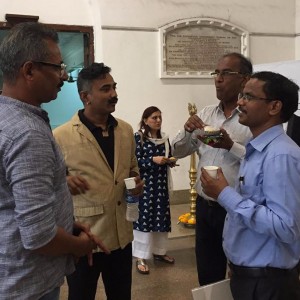
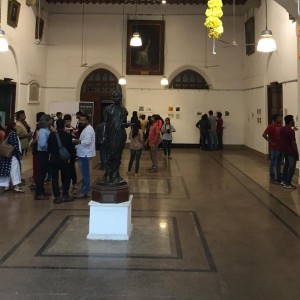
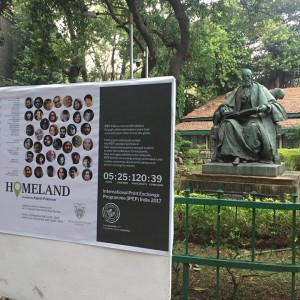
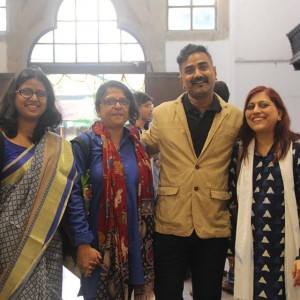
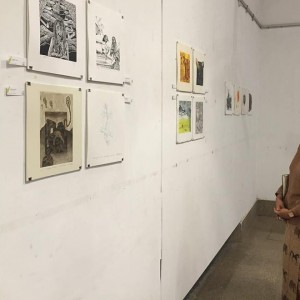
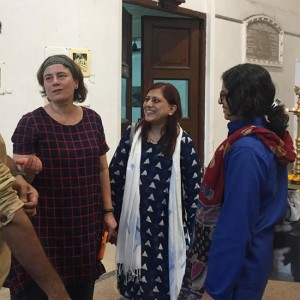
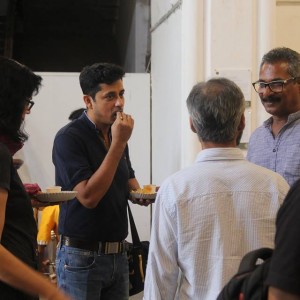
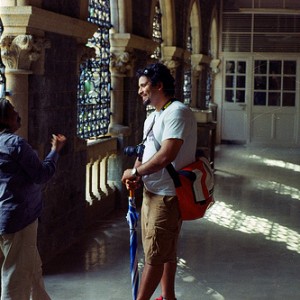
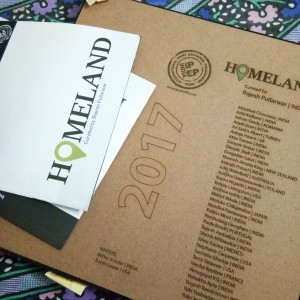
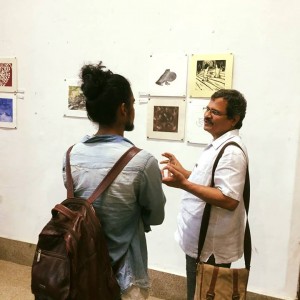
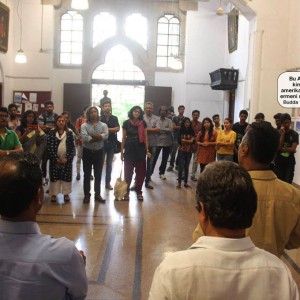
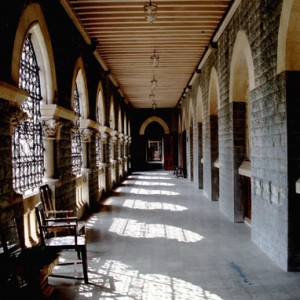
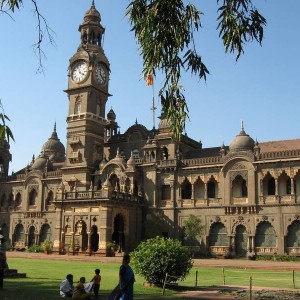
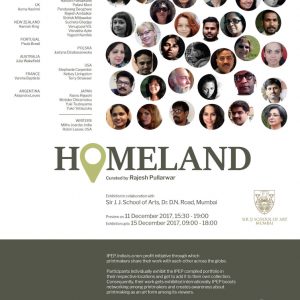
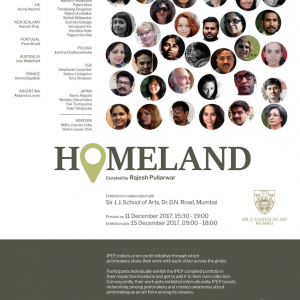
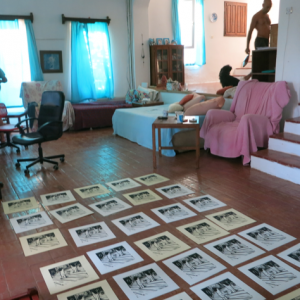
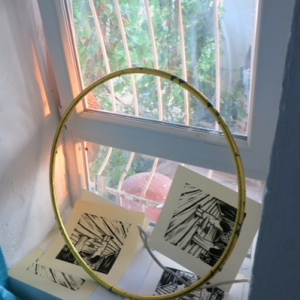
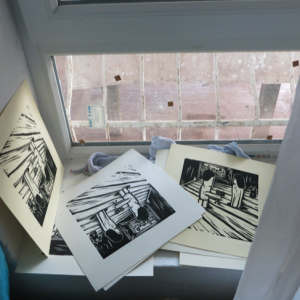
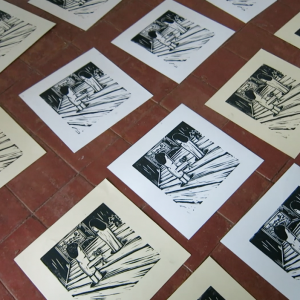
İmages from printmaking karma exhibition Homeland – in Mumbai, India!
It was great to collaborate with artists from all over the world and at the same time represent Turkey.
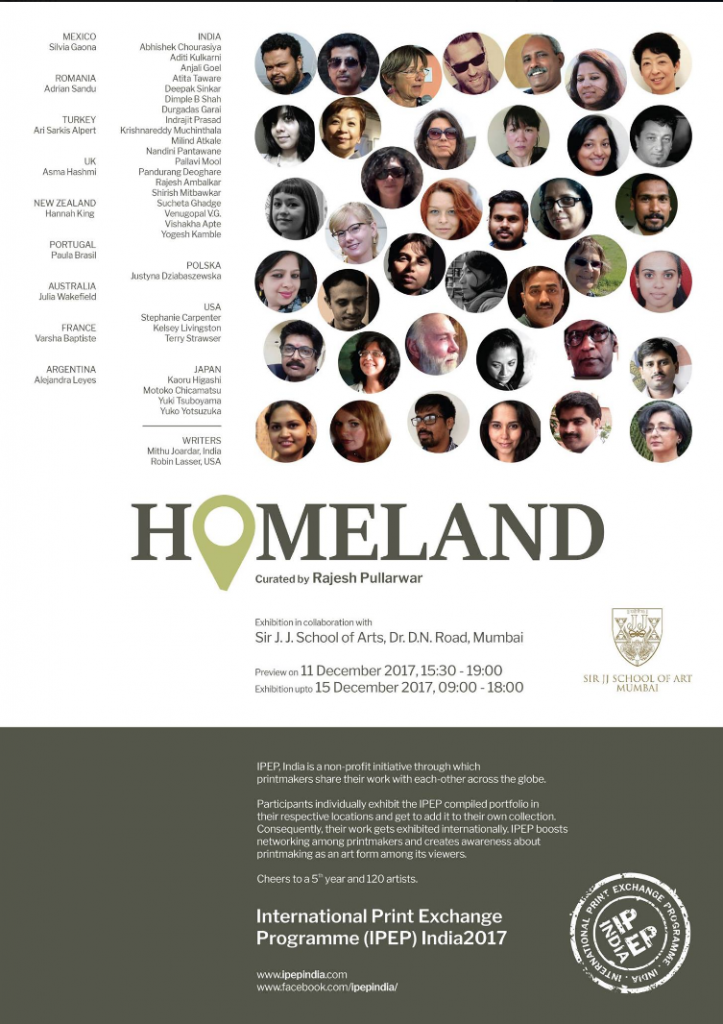 Theme : HOMELAND
Photos: IPEP
Curated by Rajesh Pullarwar
inaugural Exhibition in the collaboration with
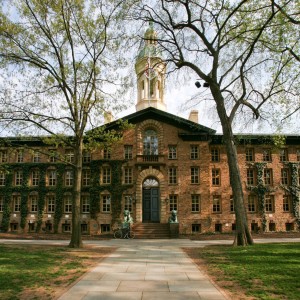
Sir J.J. School of Art , Mumbai, India

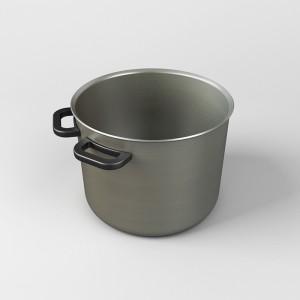
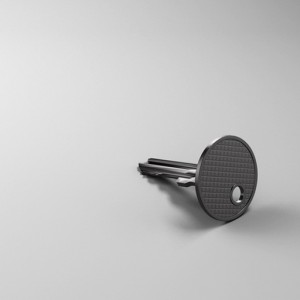
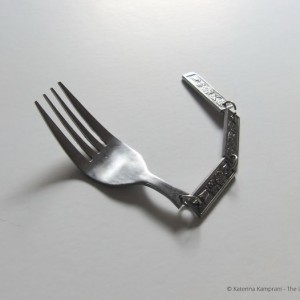
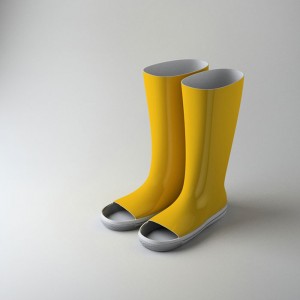
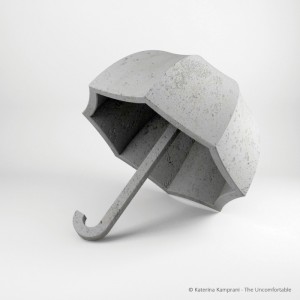
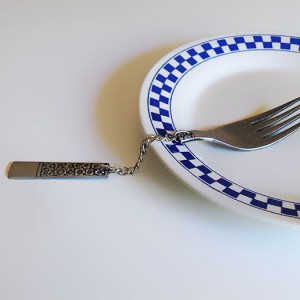
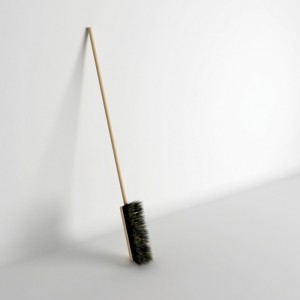
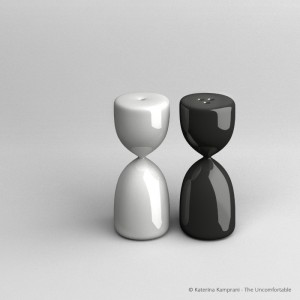
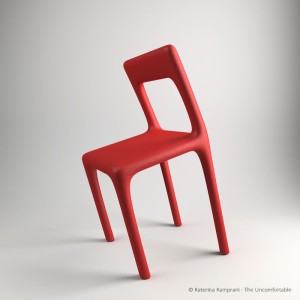
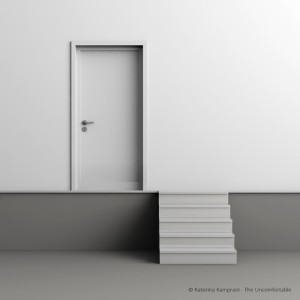
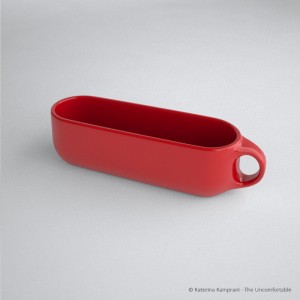
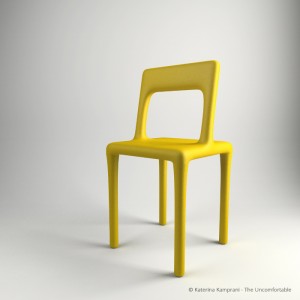

source: boredpanda.com


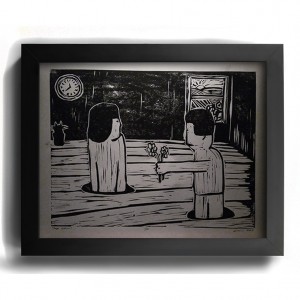
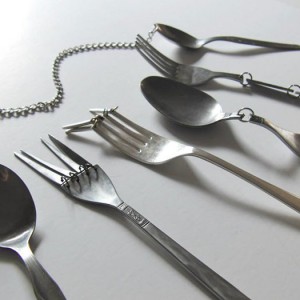
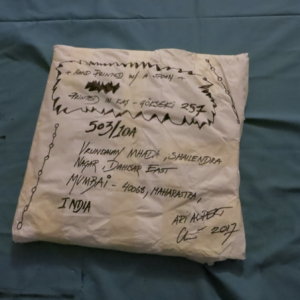
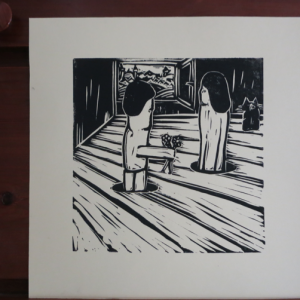
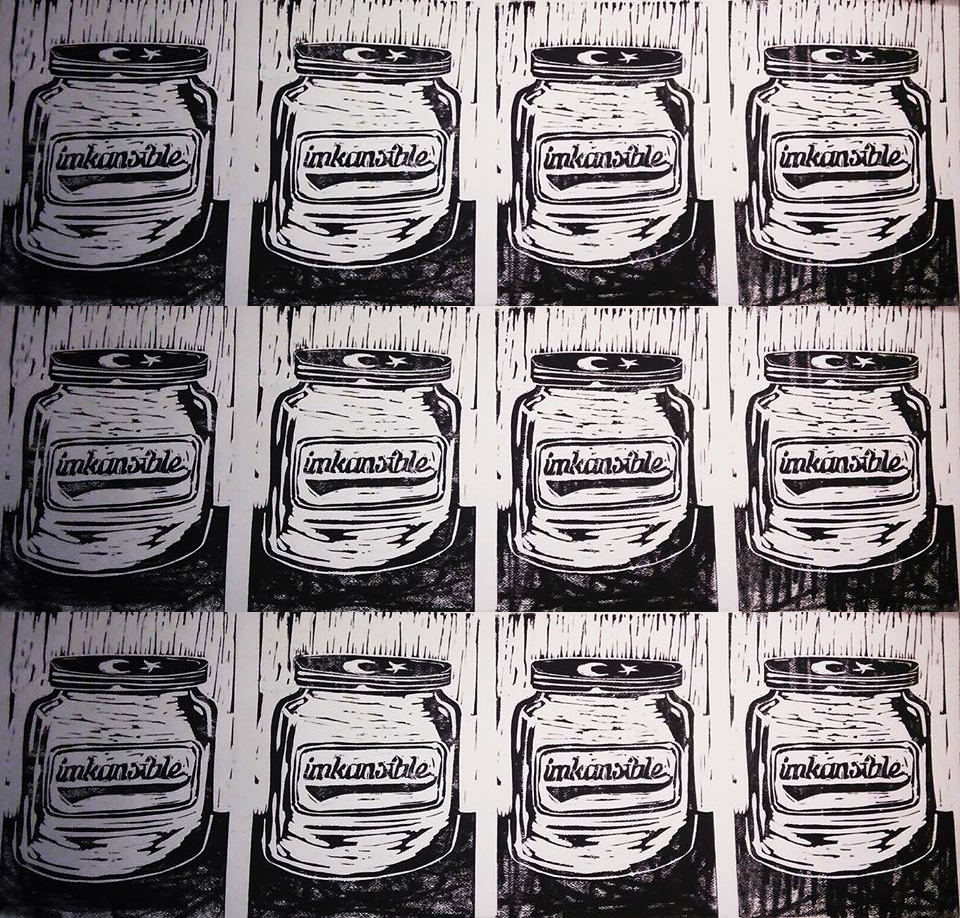
“Love Hole” 1/43 prints – Spoon printed in Gokseki257 – Kaş
ipep printmaking exibition, 2017
Ari Alpert #ipep ——- Mumbia / lndia
#arialpert #baski #gravur #sergi #serigrafi #printmaking #edisyon #printmaking #art #screenprinting #linoleumblock #linocut #istanbul #turkey #woodcut #woodcuts #reliefprint #entaglioprint #artist #artofthedayp
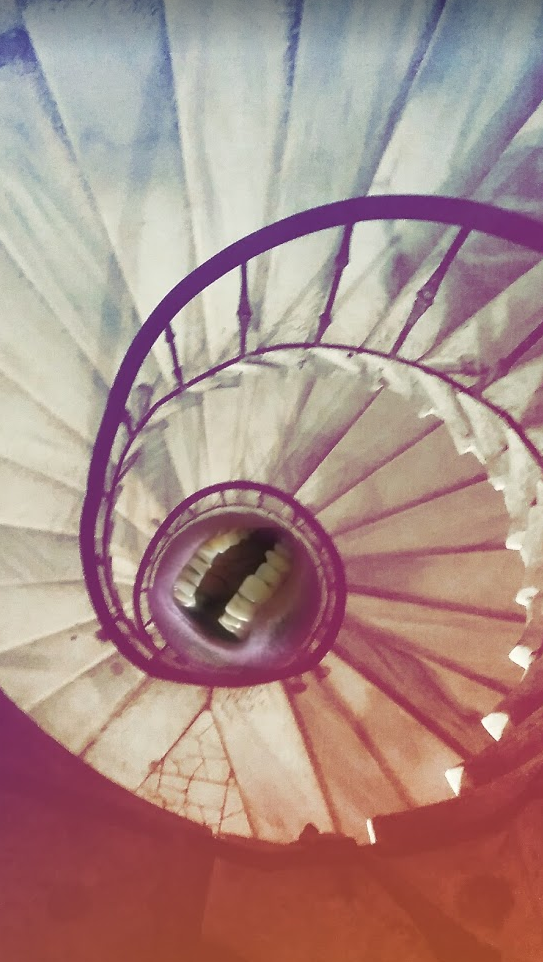
Jim Carrey: I Need color from SGG on Vimeo.


“Some people should never have been born.” (Apologies for the near-unreadable type, but art directors will be art directors.) This is not a new condom concept. In 2009, Grey Düsseldorf released, then pulled, a series of condom ads for Doc Morris pharmacies featuring Hitler and Osama bin Laden as spermatozoa. But the Trump and Kim Jong Un artwork here is quite good. Created by Platinum FMD, Brazil. See how the images were made here.








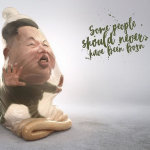




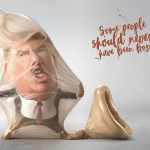
Spec ads, Brazil
source: digiday

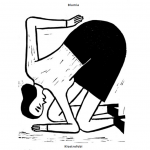
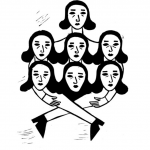
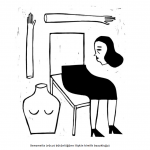
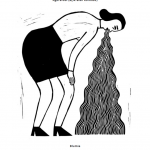
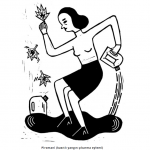
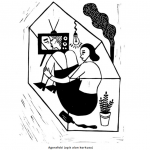
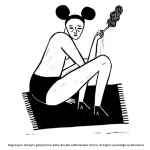
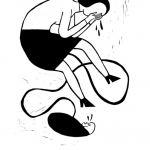
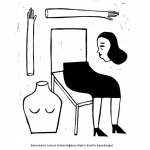
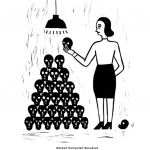
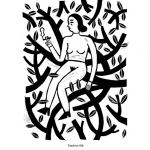
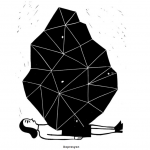
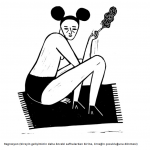
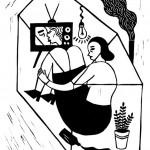
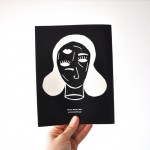
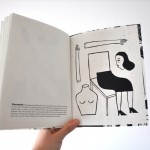
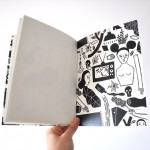
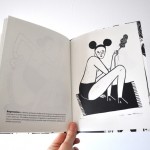
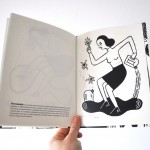
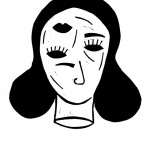
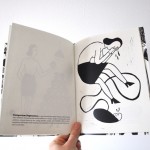
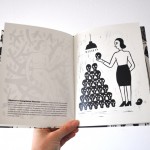

İllüstratör Noa Snir’in birkaç yıl önce başladığı Disorder adlı linol baskı serisi; psikolojik rahatsızlıkları, fobileri ve sendromları sade bir yaklaşımla ele alıyor. Hala devam eden serideki çalışmalar, bu hafta Porto’da O! Galeria’da düzenlenen sergide sanatseverlerle buluşmuş.
Snir, linol baskı tekniğinin doğası gereği yarattığı kısıtlamalardan olumlu yönde yararlandığını belirtiyor. Sanatçı diğer çalışmalarında zengin bir renk paletiyle ve karmaşık kompozisyonlarla çalışırken linol baskı serisinde bunun tam tersi şekilde ilerlemek durumunda kalıyor. Linol baskı tekniğiyle çalışmak kendisini, karmaşık ifade biçimleri yerine daha isabetli, tek renkli ve basite indirgenmiş çizgiler kullanmak zorunda bıraktığından iyi bir meydan okuma anlamını taşıyor. Böylece minimalist olma konusunda kendi kendini eğitebildiğini belirtiyor.
Sanatçının güncel çalışmalarını Instagram hesabı üzerinden takip edebilirsiniz.
source: bigimugu
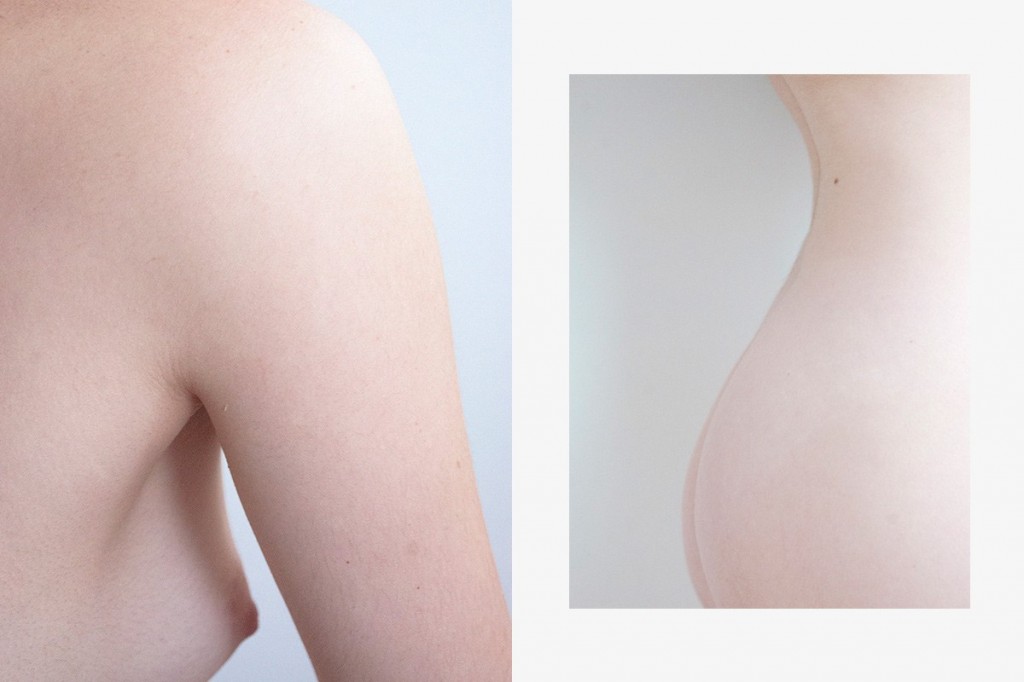
When the Turkish photography artist Eylül Aslan was browsing Tinder from a friend’s account last year, she became fascinated.
“We were looking at profiles of both girls and boys, and I noticed this pattern of people choosing pictures of what they thought was their most appealing part,” she says in her apartment in Berlin, where she also shoots much of her work. “So girls with nice boobs were taking selfies with the camera held up high so that you could see their cleavage. And I realized: ‘Wow, this is really how people think’.”
Best known for the playful and sensual explorations of femininity she posts on her popular Tumblr and Flickr accounts, Eylül has long been interested in the pressure that societies exert on people to appear and behave in a certain way. She first began taking photographs when she was a student in her native Istanbul, posing for self-portraits at home in the colorful and revealing clothes she didn’t feel able to wear outside the house.
The fascination with image and self-image that drew her to people’s carefully curated Tinder profiles has eventually led to her new book, Trompe L’oeil. The project is based on encounters with 20 men whom she met up with after matching on Tinder, and asked: what do you think are your most and least attractive body parts? Half of the pictures in Trompe L’oeil are studies of those wrinkles, eyes, smiles, leg and backs. The other half are self-portraits of Eylül herself, documenting the answers she received when she asked the same men – at their first meeting – “what do you find most and least attractive about me?”
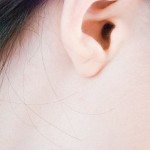
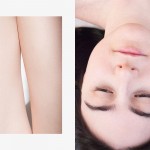
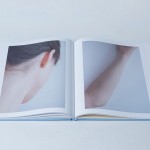
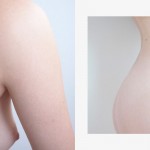
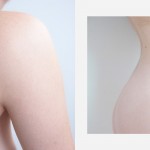
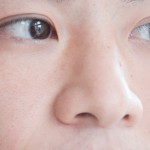
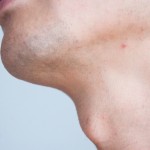
In the very beginning I didn’t write that this what I was there for. I just wanted to see how people would react. So I did meet one guy without telling him it was for a project. He thought it was a date and got really upset with me. I came out with it after 30 minutes of our meeting. He just walked away, like: “This is not cool!” So, that was kind of awkward.
After that, I put all the details on the profile. There were still some guys who said “Actually, I just wanted to have a date with you.” I had to tell them that wasn’t an option.
Most of the men were super interested and very friendly. Some of them have become good friends since. Others were visiting Berlin, so I guess it was part of their adventure while they were here. Some people already knew who I was. I think that was nice for them.
It was very different shooting men. I do find some girls attractive, and if I’m taking their photo there can be a tension or something. But then again, its so common to use women as models, it seems more natural. But with men, its a bit different. For me it was a new experience.
Of course, because it was people from a dating app, while I was taking the photos I knew on a very conscious level that the models found me attractive. They mostly knew in advance that it was for a photo project, but I’m pretty sure that they were also interested in me.
I was also choosing people that I thought were attractive, or at least interesting. I guess it was quite sexy to have that experience. You know that person likes you, and you like them, but you’re there for something else. So it was exciting, sexually and artistically.
I was really putting them in an intimate position by asking what they do and don’t love about themselves. So I thought I should include myself to be fair.
Of course, it wasn’t easy to meet a complete stranger and ask ‘So, what do you hate about me’, then do a little twirl and have them look at everything. I had to show my goods, I guess. But I think my openness and willingness to expose myself in my photography comes from who I am as a person. It’s not a calculated thing, it just comes naturally. I like the fact that people can see me for who I am.
I started making my art to release my anxieties, to understand who I am, and to be myself; to explore who I am as a person. My concern was never to become famous, to make money or please others. For me, taking photos is just a journey of understanding and of talking to myself. That’s why I do it, and hopefully I’ll always do it for that purpose.
The closeness was partly a way to keep the models anonymous. I also wanted to objectify the body parts as just that, and to show what it’s like to be really close up to someone.
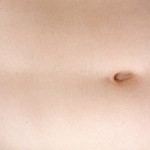
It’s interesting to me that on Tinder you see someone on a small screen, then you chat for a while, then when you meet in reality that small picture becomes this huge person in real life! It’s a whole different experience. Then, all of a sudden, if you both like each other, you can be so intimate. You’re looking at their belly button or their eyes… You actually get close to someone. So I’m glad that’s how the photos ended up being.
Honestly – and this isn’t just bullshit – I really feel more at ease with myself and how I look. I wear less make-up and I don’t really care if you can see my double chin in a picture, because it’s mine and it’s there. There’s nothing to do other than accept it and embrace whatever I have.
That was the biggest lesson for me. The project was always proving me wrong. When I first started I thought everyone would say “Oh, I don’t like your double chin! Why are you even asking?” but it doesn’t turn out like that. There were guys who thought that my chin was actually quite cute.
People paid attention to really weird details, like my ears. No two people look at you the same way. When you look at the pictures, there are not so many answers in common. All 20 men were saying different answers about the same girl. For me it proves that what people find ugly or beautiful is very subjective.
Before the project, I hated my chin and the dark circles around my eyes. I liked my lips and mouth – they’re not symmetrical and quite tiny. And my coloring in my skin and hair. I like my skin. But I can’t see them as beautiful or ugly any more. I discovered how I feel truly about myself without listening to other people.
Source: highsnobiety –
for more: http://www.highsnobiety.com/2017/07/06/eylul-aslan-tinder-photography/
EylülAslan
Grain – Trailer from Kaplan Film on Vimeo.
A film by Semih Kaplanoğlu
World Premiere: 23rd Sarajevo Film Festival – Competition
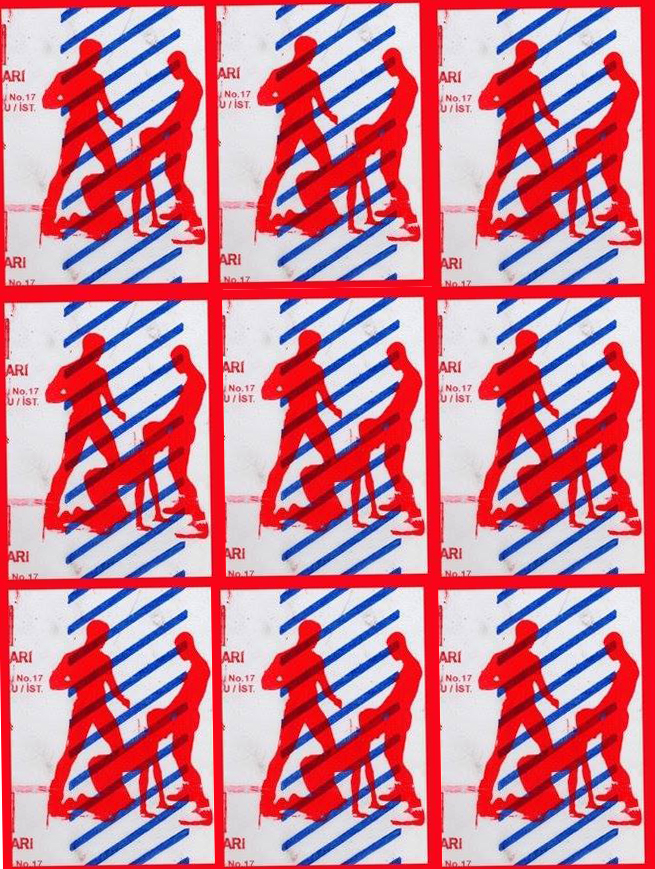
“ari ET gspot.com” 2001 – screenprint on butcher paper
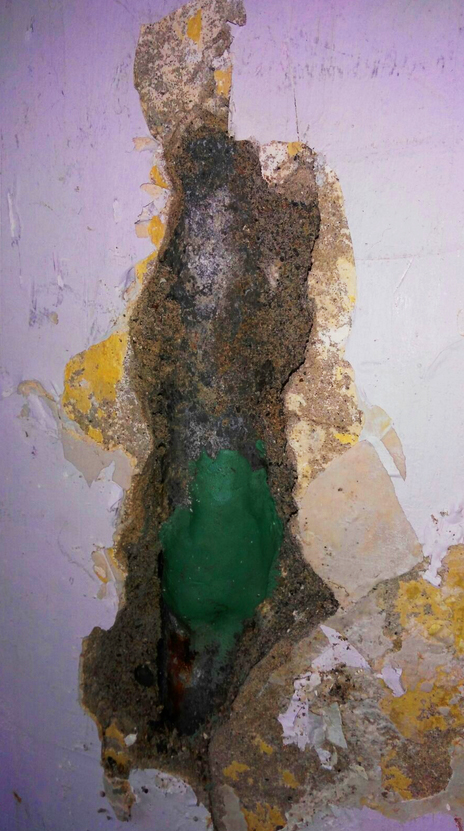
boru değil
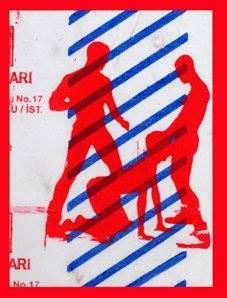
ari ET gspot.com
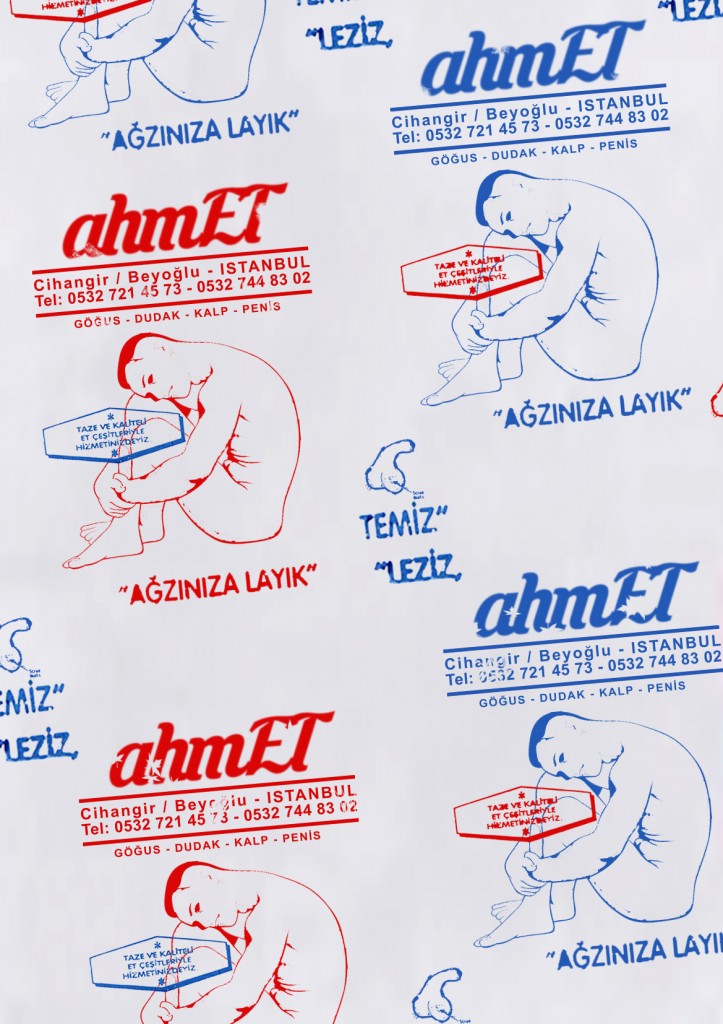
ahmET
Ari Alpert – Yağlı Kasap Kağıt – Serigrafi Baskı – 2017
Kadın bedenin cinsel birer nesne olarak yorumlanışı gündelik imgelerde, reklamlarda ve sanatta karşımıza çıkıyor. Bu durum, haklı olarak bu tür bir nesneleştirmeye karşı çıkan kadınlar tarafından kuvvetle eleştiriliyor. Ancak henüz cevaplanmayan bir soru var: Erkekler bu durumla ilgili ne hissediyor? Erkekler de cinsel birer nesne olarak görüldükleri, kullanıldıkları hissini taşıyor mu? Bu tür imgeler erkeklerin de kendilerini sadece birer et parçası gibi hissetmelerine sebep oluyor mu?
We often come across interpretations of the female body used as sexual objects in everyday images, in advertisements, and in art. This has been widely criticized by women, who rightly protest such objectification. However, the question remains: How do men feel about this? Do men also feel like they are being seen, or used as sexual objects? Do such images make men feel like mere pieces of meat?
for more:
http://www.arialpert.com/
çeviri: Nazım Hikmet Richard Dikbaş
ahmET
Ari Alpert – yağlı kasap kağıdın üstüne serigrafi baskı – 2017
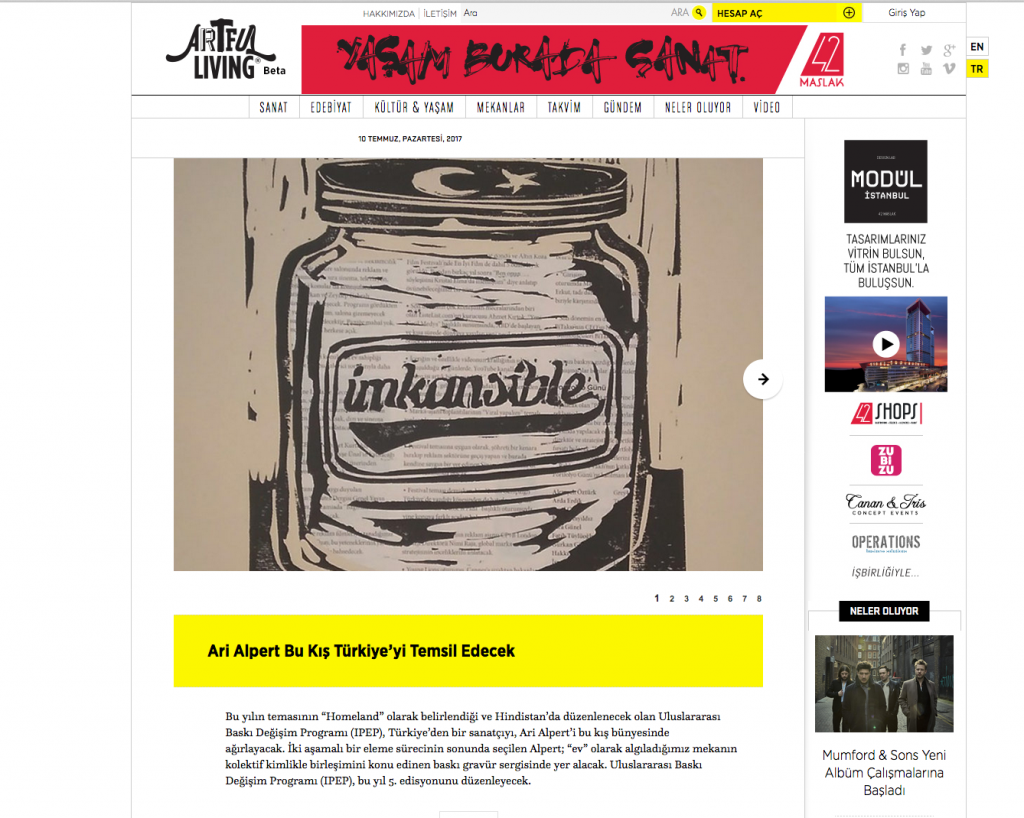
Bu yılın temasının “Homeland” olarak belirlendiği ve Hindistan’da düzenlenecek olan Uluslararası Baskı Değişim Programı (IPEP), Türkiye’den bir sanatçıyı, Ari Alpert’i bu kış bünyesinde ağırlayacak. İki aşamalı bir eleme sürecinin sonunda seçilen Alpert; “ev” olarak algıladığımız mekanın kolektif kimlikle birleşimini konu edinen baskı gravür sergisinde yer alacak. Uluslararası Baskı Değişim Programı (IPEP), bu yıl 5. edisyonunu düzenleyecek.
http://www.artfulliving.com.tr/neler-oluyor/ari-alpert-bu-kis-turkiyeyi-temsil-edecek-i-12396
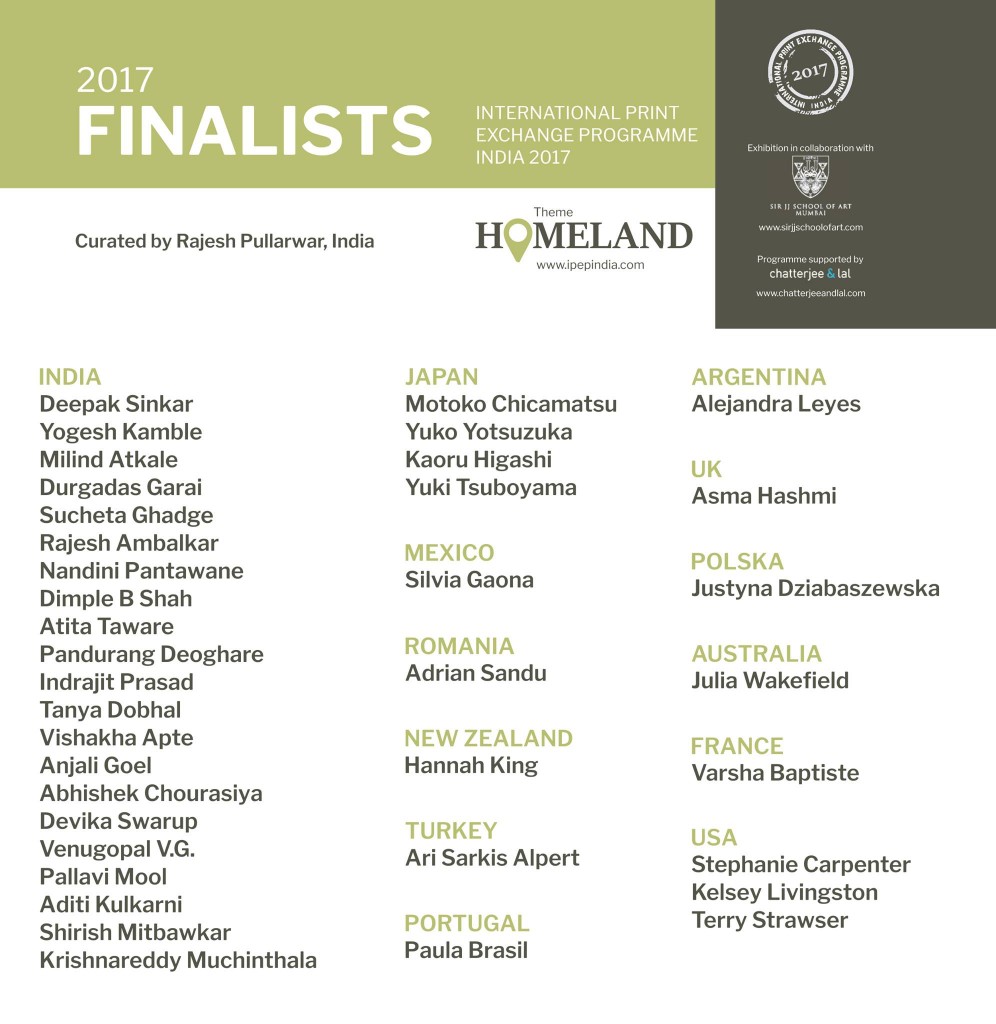
Congratulation to all successful participants!
IPEP2017
Theme : HOMELAND
http://ipepindia.com/
#IPEP2017 #InternationalPrintExchang
Die Antwoord have done a lot of crazy shit in their time (and especially in their videos), but one thing we never expected was to see them make a short horror film with rock caricature Jack Black.
Everything else about Tommy Can’t Sleep, however, is vintage Die Antwoord, pushing the creepiness levels and shock factor to their maximum just as they’ve tried to do in many of their music videos.
Nothing else needs to be said, really. It’s Die Antwoord, Jack Black, a foul-mouthed kid, and just so, so many rats. Enjoy.
source: tone deaf


The Laughing Heart
don’t let it be clubbed into dank submission.
be on the watch.
there are ways out.
there is light somewhere.
it may not be much light but
it beats the darkness.
be on the watch.
the gods will offer you chances.
know them.
take them.
you can’t beat death but
you can beat death in life, sometimes.
and the more often you learn to do it,
the more light there will be.
your life is your life.
know it while you have it.
you are marvelous
the gods wait to delight
in you.
Roll the Dice
if you’re going to try, go all the
way.
otherwise, don’t even start.
if you’re going to try, go all the
way.
this could mean losing girlfriends,
wives, relatives, jobs and
maybe your mind.
go all the way.
it could mean not eating for 3 or 4 days.
it could mean freezing on a
park bench.
it could mean jail,
it could mean derision,
mockery,
isolation.
isolation is the gift,
all the others are a test of your
endurance, of
how much you really want to
do it.
and you’ll do it
despite rejection and the worst odds
and it will be better than
anything else
you can imagine.
if you’re going to try,
go all the way.
there is no other feeling like
that.
you will be alone with the gods
and the nights will flame with
fire.
do it, do it, do it.
do it.
all the way
all the way.
you will ride life straight to
perfect laughter, its
the only good fight
there is.